Having a hand to carry out home improvement projects or repairs has long since extended into the car maintenance. Mechanically and technically inclined, some car owners prefer to repair their vehicles themselves, rather than employing professional service providers. DIY activities are favourite among many car enthusiasts. However, not every process should be performed at home. Changing the engine oil of your car is one such activity.
Modern cars feature sophisticated assemblies that house the engine oil filter. Oftentimes, the oil filter is also covered and protected by specifically designed covers. To get to the oil filter, one may require tools to remove the protective covers. To remove the oil filter, oftentimes specific tools are required. Using the wrong tools may cause damage to the parts affected in the process. Further, buying the tools required for a specific car model many not economically viable compared to simply having a trusted workshop handle it.
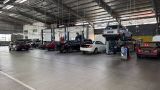
Getting to the oil filter is not only a question of having tools, but also one of accessibility. To get underneath the vehicle, workshops like German Motors use hoists. Such hoists allow for safe working on the underside of the vehicle without having to bend and twist to get to where the procedure is to be performed. Being able to stand upright under the car greatly reduces risks of injuries, especially to the back.
While the hoist makes the work safer, it also makes it easier. Special oil drainer tanks are designed to be used in connection with hoists. Mounted on wheels and with height adjustment, these drainer tanks sometimes even feature a vacuum system that can extract the most possible amount of the used engine oil. Most importantly, such drainer tanks and pans avoid spillages.
These spillages are probably the most important reason why one should not perform oil changes at home: one drop of engine oil can contaminate up to 1 000 litres of fresh water should it seep into the ground. At home, spilled oil may be washed into the ground water and thus contaminate large volumes of valuable water meant for human consumption. German Motors has the tools to deal with spillages to avoid oil entering the freshwater system while the workshop itself is designed according to stringent regulations dealing with potential spillages.
Once the used engine oil has been replaced, it needs to be disposed of in the correct manner to prevent any harm to the environment. German Motors will take care of that when servicing cars for clients. Being a hazardous material, the old engine oil will be collected and sent for processing to specialist vendors, geared to manage this process. Most workshops may accept engine oil from your DIY project of changing engine oil. Getting the used oil to such shop though may result in your car getting dirty. If one doesn’t use proper canisters, old oil may spill into the vehicle, ruining its interior.