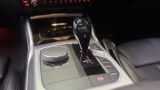
The long wait for the traffic light to turn green may tempt drivers to switch to neutral. A common assumption is that this will reduce wear and tear of the gear box while also saving fuel.
As most vehicles nowadays are sold with an automatic gearbox, one should indeed not switch to neutral and keep the gear engaged. Automatic gearboxes actually wear out faster when the gear is changed often between neutral and any of the drive gears.
When stationary, the engine would still be running, thus consuming fuel. When stationary, the engine management of the vehicle will reduce the fuel supply to the minimum required, thus preventing excess burning of fuel. We can leave the fuel saving to the auto start-stop systems. These improve fuel economy by shutting off the engine at idle, with reported savings generally ranging from 3% to 10%.
Keeping the gears engaged is also a safety feature. When the lights turn green, everyone will start rushing, accelerating away from the traffic light. Those needing to shift to drive may be stationary for a little longer, thus becoming stationary obstacles for others who are already moving.
German Motors is experienced in repairs and maintenance of both types of transmissions. Our advice is different for manual transmissions though. Here, shifting to neutral will reduce the wear and tear, especially for the clutch assembly. Keeping the clutch pedal pressed for a long time may also be tiring for the driver. When expecting a longer wait, it is best practice to shift into neutral and to take the foot off the clutch to reduce wear on the release bearing.
Again, a slow start when the lights turn green may be a hindrance to other participants in traffic. German Motors would suggest paying full attention to the traffic lights at all times as that would also ensure awareness of the surroundings.